Paving Solutions: Enhance Your Property With Professional Paving Services
Professional surfacing services provide major advantages for property enhancement. They not only enhance aesthetics but also improve functionality. Choosing the proper materials, such as bitumen or interlocking pavers, can ensure durability and appearance. The installation process is essential for achieving lasting results. Yet, many homeowners fail to consider essential maintenance practices that can extend the life of their investment. Understanding these elements is important for making informed decisions about outdoor spaces. What comes next may shock you.
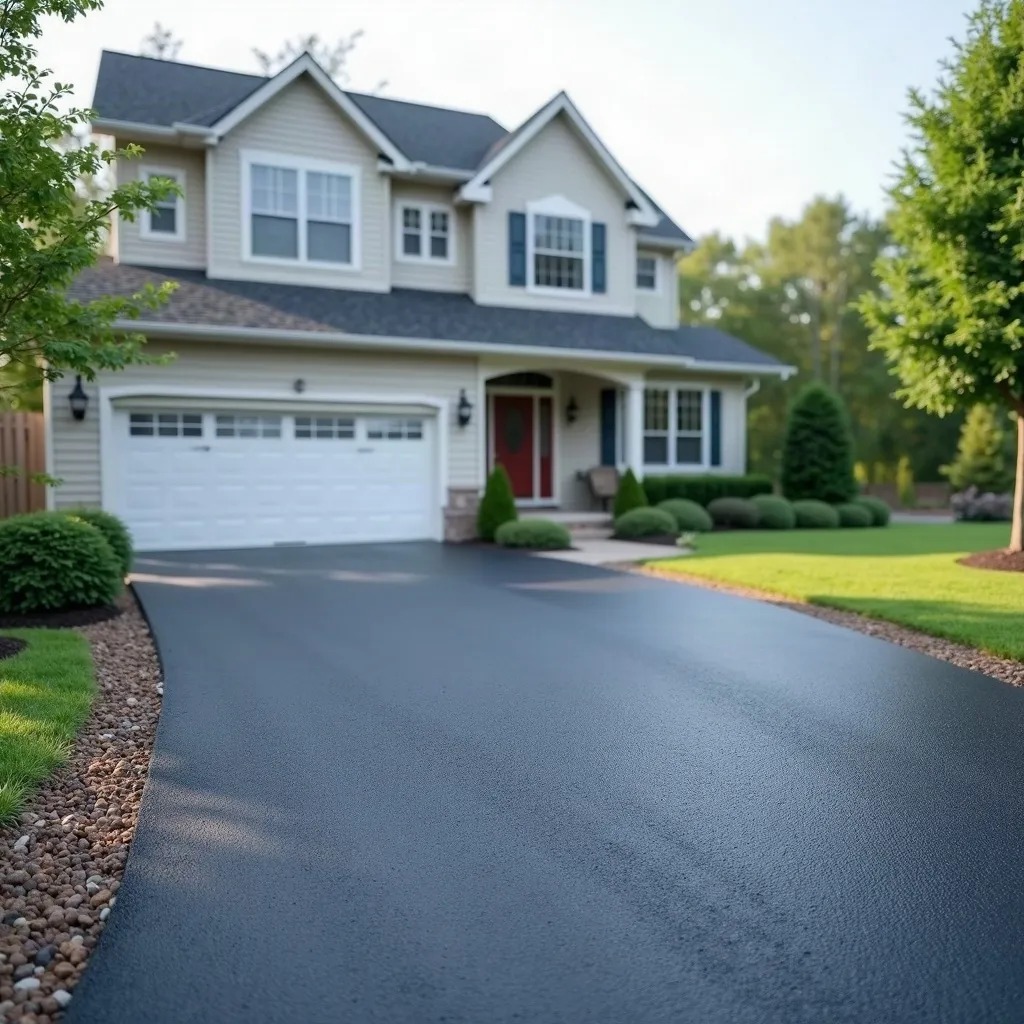
Expert Concrete Solutions Boost Your Property Value
Professional paving solutions enhance outdoor spaces, boosting both functionality and aesthetics. By implementing professional techniques and cutting-edge machinery, these offerings ensure the thorough preparation and placement of multiple pavement surfaces. This meticulous attention results in resilient, long-lasting outcomes that resist wear and tear while keeping visual appeal.
Furthermore, professional paving enhances property value, establishing appealing walkways, driveways, and patios that appeal to potential buyers. A well-paved area improves safety by minimizing hazards like rough terrain and thick dirt, contributing to a more pleasant outdoor experience.
Moreover, veteran consultants can develop individualized concepts appropriate for client preferences, verifying that all projects corresponds with the property's individual identity.
Pick the Top Laying Materials for Your Undertaking
Which approaches help property owners determine the optimal paving materials for their work? Getting the material right is necessary for aesthetics and how it performs.
First, property owners should reflect on the specific use of the paved area. For driveways, heavy-duty materials like asphalt or concrete are often preferred due to their durability and extended lifespan. In contrast, for patios or walkways, possibilities including pavers or bricks can offer visual appeal and versatility.
Next, weather patterns exerts a considerable role. Territories with copious rain may advantage from absorbent materials that allow for better drainage, lowering the probability of floods.
In addition, maintenance requirements should be reviewed; some materials need more upkeep than others.
Finally, budget constraints will affect the choice. While premium materials may require a greater initial investment, they often lead to long-term savings through durability and lower maintenance expenses.
Thus, deliberate contemplation of these aspects will point property owners toward making prudent decisions.
Asphalt Paving Strengths
Asphalt paving stands out as a leading choice for homeowners looking for durable and affordable solutions for their pathways and driveways. One of its main advantages is its durability; asphalt can endure heavy traffic and severe weather conditions, making it ideal for residential use.
Additionally, asphalt is quite cost-effective versus other paving materials, enabling homeowners to achieve a high-quality appearance without breaking the bank. The installation process is also streamlined, often finished within a day, minimizing disruption to daily life.
Moreover, asphalt is convenient to maintain, needing only periodic maintenance coatings to prolong its useful life. These merits make asphalt paving a smart and economical option for improving property aesthetics and operational efficiency.
Interlocking Paver Perks
Homeowners looking at paving choices will find that interlocking pavers deliver significant advantages that strengthen both visual appeal and functional performance.
These adaptable pavers come in multiple shapes, colors, and textures, allowing for innovative design opportunities that can enhance any property style. Additionally, interlocking pavers provide superior durability, preventing cracking and shifting, which is particularly beneficial in regions with varying temperatures.
In addition, their unique design fosters efficient water drainage, diminishing the potential for overflow and terrain damage. This water-absorbing quality also bolsters environmental sustainability by allowing rainwater to replenish groundwater supplies.
In the end, the uncomplicated setup and upkeep makes interlocking pavers a wise selection, allowing homeowners to appreciate their beautiful surface without excessive upkeep.
Starting Site Appraisal
Which components affect the initial site evaluation for paving installation? Several vital considerations come into play during this essential stage. First, the land’s topography is reviewed to spot any slopes or drainage concerns that might influence the paving process. Next, the current soil conditions are reviewed, since different soil types determine stability and durability. Additionally, site accessibility is reviewed to figure out how equipment and materials will be delivered. Local regulations and zoning laws are reviewed to confirm compliance. Lastly, existing structures and vegetation are assessed to plan for any necessary removal or protection. This comprehensive evaluation lays the groundwork for a successful paving project, making sure that all possible challenges are addressed from the beginning.
Setup Phases Detailed
With a thorough site assessment finished, the paving installation process can start.
The early phase comprises site preparation, where any existing materials are removed and the ground is leveled. Beyond this, a base layer is fitted, often made of loose rock or fragmented stone, which creates durability and moisture control.
Following this, the determined wearing course—such as asphalt or concrete—is positioned. This phase involves careful application to guarantee a flat surface and proper alignment.
After the asphalt surface is installed, it is compacted to boost durability. Finally, the curing process takes place, allowing the material to solidify properly.
Throughout the process, clear documentation communication with the property owner is necessary to tackle any concerns and guarantee satisfaction with the final end result.
Pavement Preservation Methods for Lasting Durability
Although asphalt areas are designed for durability, regular maintenance is essential to ensure their longevity. Routine inspections should be conducted to detect damage, deterioration, or surface degradation. Prompt repairs can avoid further damage and prolong the durability of the road surface.
Furthermore, maintaining the surface clean is essential; bits, foliage, and dirt can hold onto moisture, leading to deterioration. Regular clearing and sporadic power washing contribute to maintain a unblemished appearance and functionality.
Applying sealant every few years can defend the surface from environmental wear and sun damage, while also enhancing its cosmetic allure.
To summarize, addressing drainage difficulties is significant. Effective drainage systems inhibit water gathering, which can weaken the paving material over time.
How to Find a Dependable Paving Contractor
Finding a reliable paving contractor is an important step for property owners looking to put in or improve their paving surfaces. To start, individuals should obtain recommendations from friends, relatives, or nearby companies that have recently undertaken paving projects. Online reviews and testimonials can also offer insights into a contractor's reputation.
Once potential contractors are located, it is crucial to verify their credentials, including licenses and insurance. A professional builder should offer a detailed written quote that describes the project parameters, materials, and timeline.
Moreover, obtaining client references can help evaluating the contractor's reliability and caliber of work. It's equally important to inquire about warranties on materials and workmanship.
Ultimately, facilitating candid communication and clarity during beginning meetings can nurture a trustworthy partnership, producing a successful paving project that meets expectations.
Frequently Asked Questions
How long Does a Standard Paving Project Take to Finish?
A standard paving job generally takes 1-3 days to complete, depending on variables including the project's size, complexity, weather conditions, and prep work needed. Effective planning can help streamline the process effectively.
Which Authorizations Are Essential for Paving Implementation?
As a rule, asphalt paving calls for authorizations like local construction permits, zoning approvals, and environmental studies. Standards vary by location, so reaching out to local authorities guarantees compliance with necessary legal requirements for the project.
Is Pavement Installation Possible During Winter or Precipitation-Heavy Periods?
Paving can be troublesome during winter or rainy seasons due to temperature and moisture concerns. Cold weather can prevent proper curing, while excessive rain may cause surface issues, leading to potential enduring harm. Strategic forethought is vital.
What Actions Should I Take if My Driveway Becomes Cracked?
Should pavement crack, the first step is to evaluate the damage. Afterward, clean the region completely, fill the fissures with suitable filler, and consider expert services to avoid additional damage and preserve protection.
How can I verify if my asphalt professional holds a permit?
To determine if a paving contractor holds valid professional license, one must verify their credentials through local licensing boards, demand a copy of their license, and check for insurance coverage, ensuring compliance with industry regulations and safety standards.